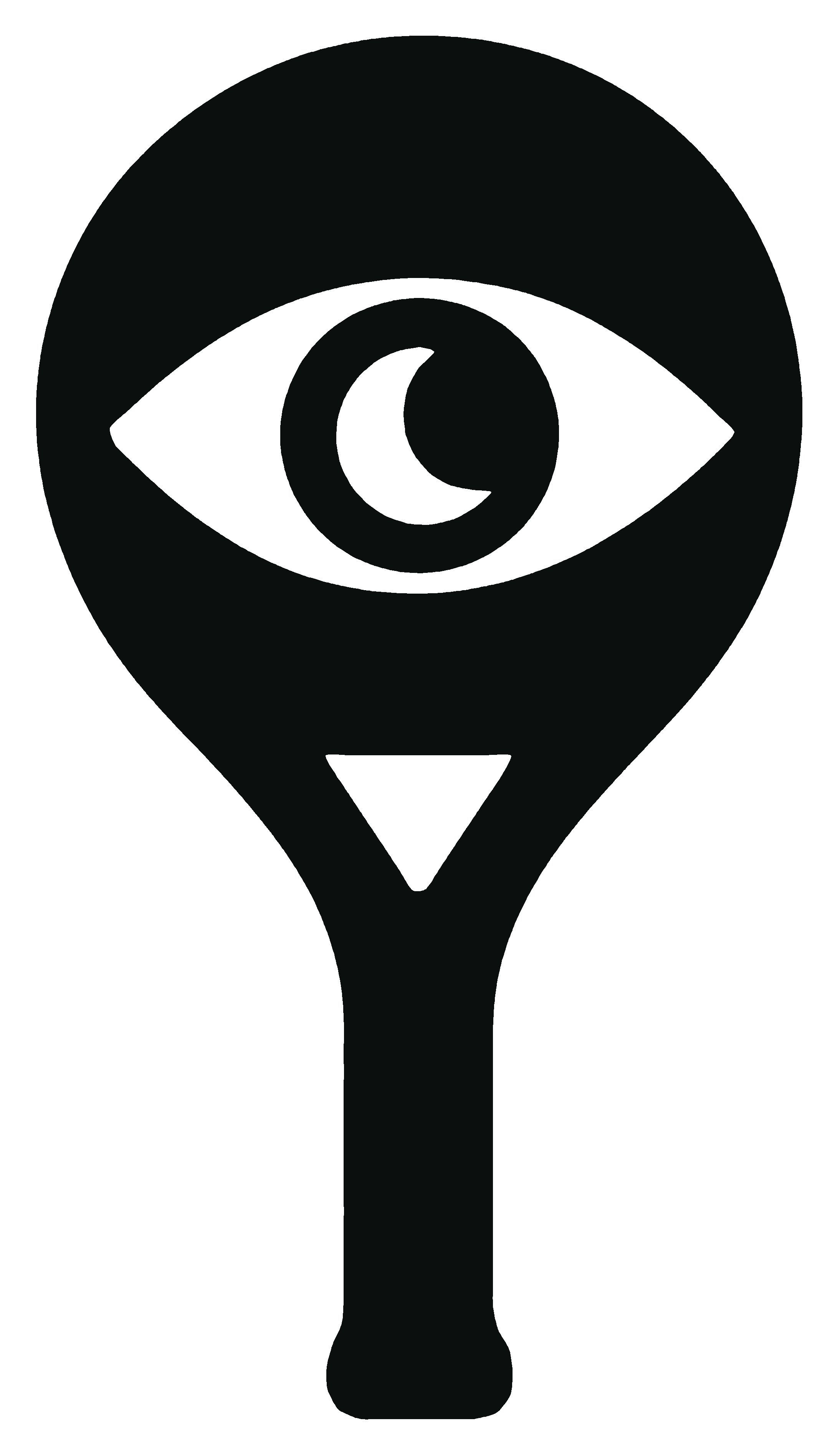
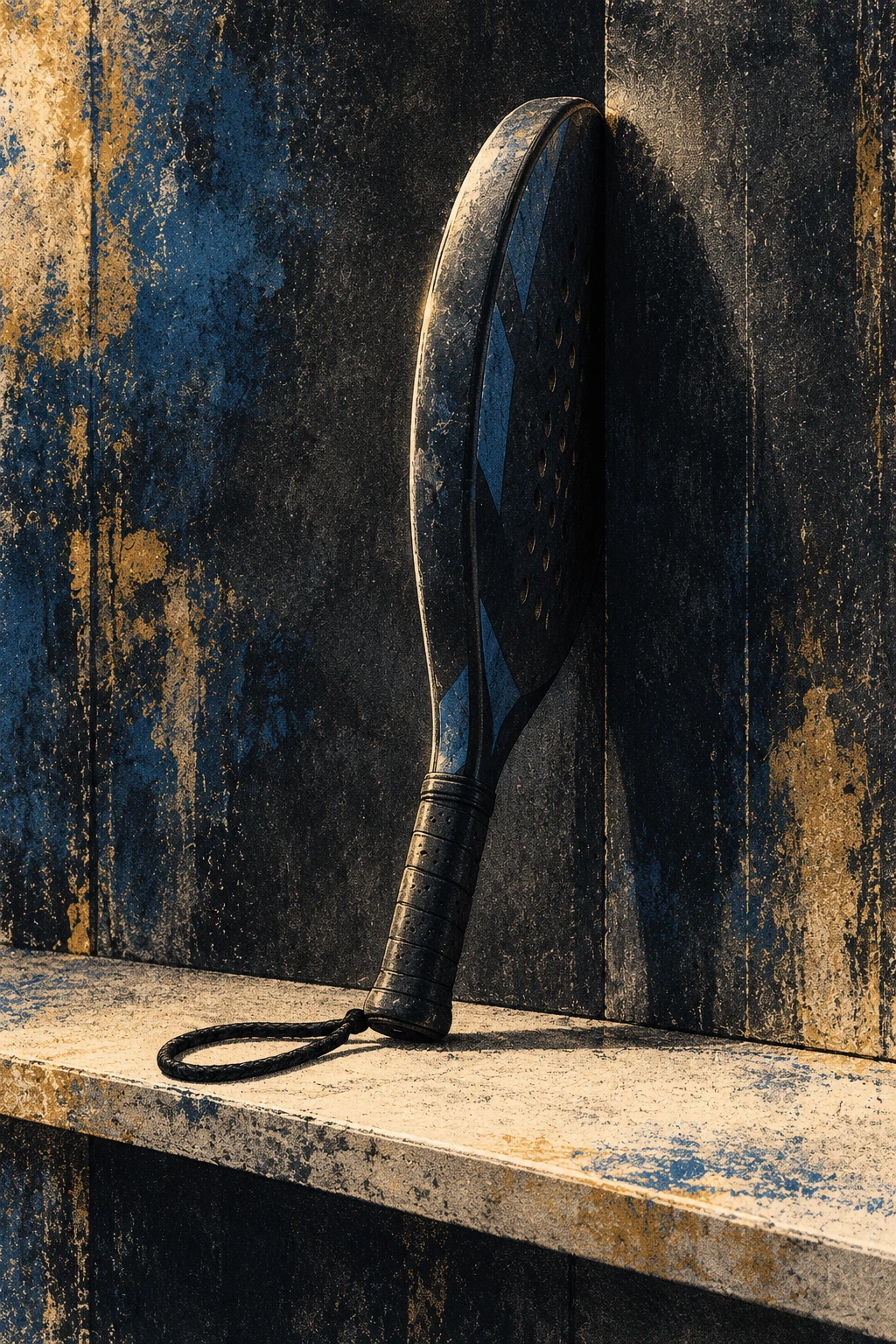
A short handle, a solid perforated head, a wrist cord. The inventory describes an ordinary kind of object whose face cannot be seen directly. Illustrations disagree about how to show it.
Blank
Some make the surface blank. Schools that call the object lost identity find an absence there: something familiar can no longer say who its holder is.
Reflective
Others make the face reflective. The viewer finds an image where a stable description should be. Perhaps the supposed facelessness begins with the witnesses: each has described a different racket.
Turned away
A third depiction changes only the angle. The racket remains whole; its face is hidden. It is the least impossible image and no more secure as evidence than the others.
The object is probably invented. It is said to appear in dreams before a change of playing style, but no reputable School treats the dream as prediction. The Moon, the Hanged Man and the Hidden Asking meet in its uncertain image and the possibility of another view.
Imagine a player trying a different style who no longer recognises the description their partners use of them. “The cautious one” has become too small, although nothing in their hand has transformed. A racket lying face down on the bench might be an adequate picture of that pause.
Turn it over and the object is available again. The description may take longer.